

Jasmine tea is one of the most celebrated traditional teas in China, admired for its distinctive floral fragrance and the craftsmanship required to create it. Although jasmine tea is now enjoyed across the world, its origins and methods remain deeply rooted in the culture, climate and agricultural heritage of Fujian province in south-eastern China.

A Tea That Begins in Spring
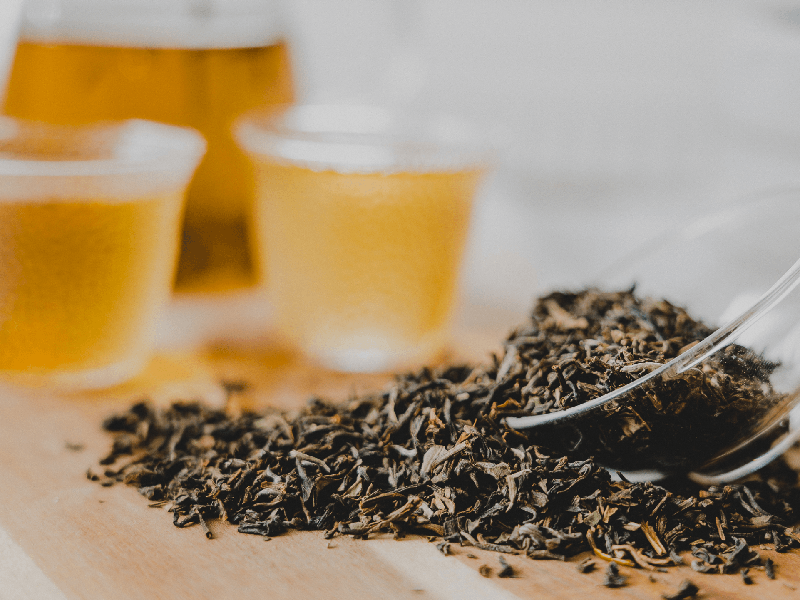
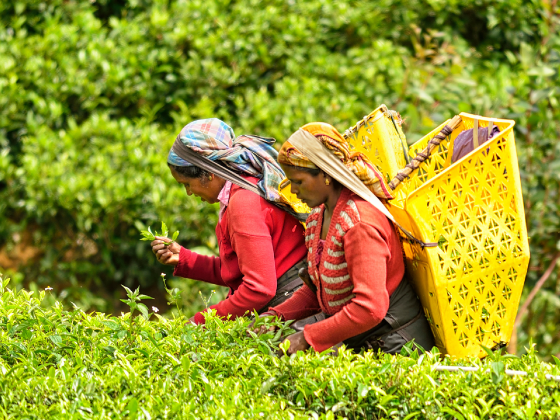
Like many high quality green and white teas, jasmine tea begins with the first flush of spring leaves. During early spring, tea farmers carefully pluck the youngest buds and leaves from the Camellia sinensis plant. These spring leaves are naturally sweet, light and fresh, which makes them ideal for pairing with the delicate aroma of jasmine.
The leaves are gently dried soon after harvesting to preserve their bright character. Once dried, they are stored until summer when jasmine flowers are ready to bloom. This separation of the spring tea harvest from the summer jasmine season is one of the defining features of authentic jasmine tea production.
You will find that several of our jasmine teas, such as Jasmine Green Loose Leaf Tea and Jasmine Dragon Pearls, are crafted from this spring harvested green tea leaves.

The Summer Jasmine Harvest
Jasmine flowers used for scenting are usually picked between June and August. In the warm climate of Fuzhou, jasmine buds are plucked later in the afternoon when they remain tightly closed. As evening arrives, the jasmine slowly begins to unfurl and release its natural fragrance. This bloom cycle is essential, as it is during these evening hours that the flowers produce their strongest aromatic oils.
Producers gather the blossoms at just the right moment to capture this intensity. The expertise required to assess the health, aroma and readiness of the jasmine buds has been passed down in Fujian for centuries. It is a skill that cannot be rushed and cannot be replicated artificially.

The Scenting Process: A Marriage of Tea and Flowers
Once harvested, the jasmine flowers are carefully layered with the stored spring green or white tea leaves. The tea is left to rest with the blossoms for several hours, allowing it to absorb the natural scent. High grade jasmine teas can undergo this process multiple times, with fresh flowers added for each cycle.
This traditional method of scenting requires great patience. Each step must be monitored closely to achieve the right balance of fragrance and flavour. After scenting, the tea is gently heated to remove excess moisture before the flowers are removed. Some styles, such as Jasmine Silver Needle, retain a few jasmine petals for aesthetic reasons, though the scent itself always comes from the infusion process rather than from flavour additives.
Scientific research shows Jasmine flowers contain around 70 to 80 different aroma compounds, such as terpenes, esters, alcohols and nitrogen compounds. These natural chemicals help the tea absorb its jasmine fragrance. Not all jasmine aroma compounds improve the scent. Research suggests five of them boost the fragrance, while seven can make it weaker. This means the chemistry of the jasmine flower directly affects how well the tea becomes scented.

Different Expressions of Jasmine Tea
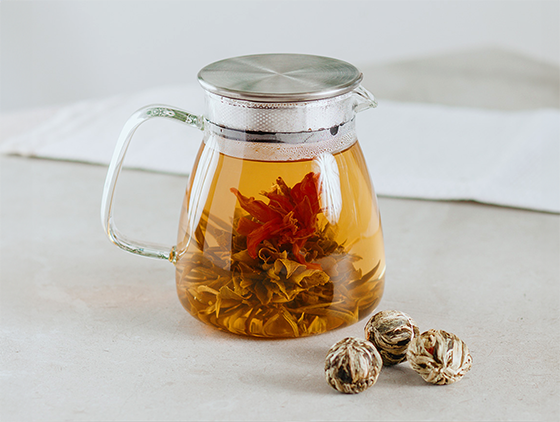
Although the scenting process follows the same principles, jasmine tea comes in a variety of forms. For example, Jasmine Dragon Pearls are individually hand rolled, allowing them to slowly unfurl as they steep. Classic loose-leaf versions, such as Jasmine Green Loose Leaf Tea, offer a more traditional expression of the scented leaf. For those who prefer everyday convenience, Jasmine Green Teabags provide the same gentle fragrance in a simple format.
White tea versions, including Jasmine Silver Needle, offer a softer, more delicate floral profile due to the use of young white tea buds rather than green tea leaves.
These subtle variations reflect the diversity of jasmine tea craftsmanship and the ways in which producers adapt the scenting tradition to different tea styles.

An Enduring Cultural Tradition
The craft of jasmine tea scenting has been practised since at least the Song dynasty. It has survived because of the dedication of the farmers and producers who have protected this knowledge across generations. The scenting process continues to be carried out by hand in many parts of Fujian, preserving the authenticity of the tea and ensuring that jasmine tea remains a symbol of patience, seasonality and cultural heritage.
Although jasmine tea is enjoyed globally today, understanding the labour and artistry involved adds depth to every cup. It is more than a floral green tea. It is the result of a seasonal partnership between spring harvested leaves, summer blossoms and centuries of human expertise.
You may also enjoy
If you appreciate traditionally scented teas or floral profiles, you might also like exploring Jasmine Green Loose Leaf Tea, Jasmine Dragon Pearls, Jasmine Green Teabags or the delicate Jasmine Silver Needle, each offering its own expression of this centuries old craft.
FAQs
Does jasmine tea have caffeine?
Yes. Jasmine tea contains caffeine because it is typically made with a green or white tea base. Green tea contains a moderate amount of caffeine, while white tea contains slightly less, so caffeine levels vary depending on the style you choose.
Is jasmine tea good for you?
Jasmine tea is enjoyed for its gentle aroma and the natural antioxidants found in green and white tea. Many people consider it a soothing drink that complements a balanced lifestyle.
What is jasmine tea made of?
Traditional jasmine tea is made from spring harvested green or white tea leaves that have been naturally scented with fresh jasmine blossoms. The flowers are not used for flavouring but for transferring their natural fragrance through repeated scenting cycles.
Is jasmine tea a green tea?
Most jasmine tea is made using green tea leaves, although some varieties use white tea. The classification depends on the base tea rather than the flowers themselves.
What is jasmine tea good for?
Jasmine tea is often enjoyed for relaxation, gentle aroma and its refreshing taste. It is also appreciated for mindful tea moments and for those who enjoy lightly fragrant teas.